

The Pool Paradox
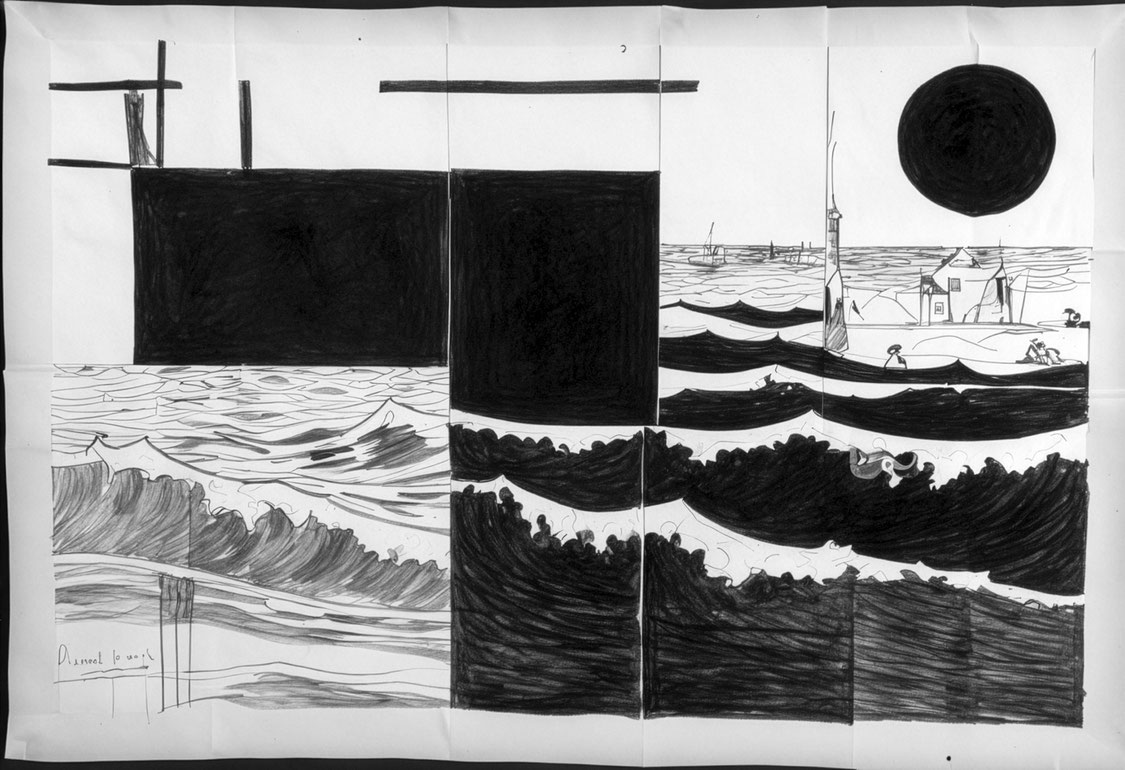
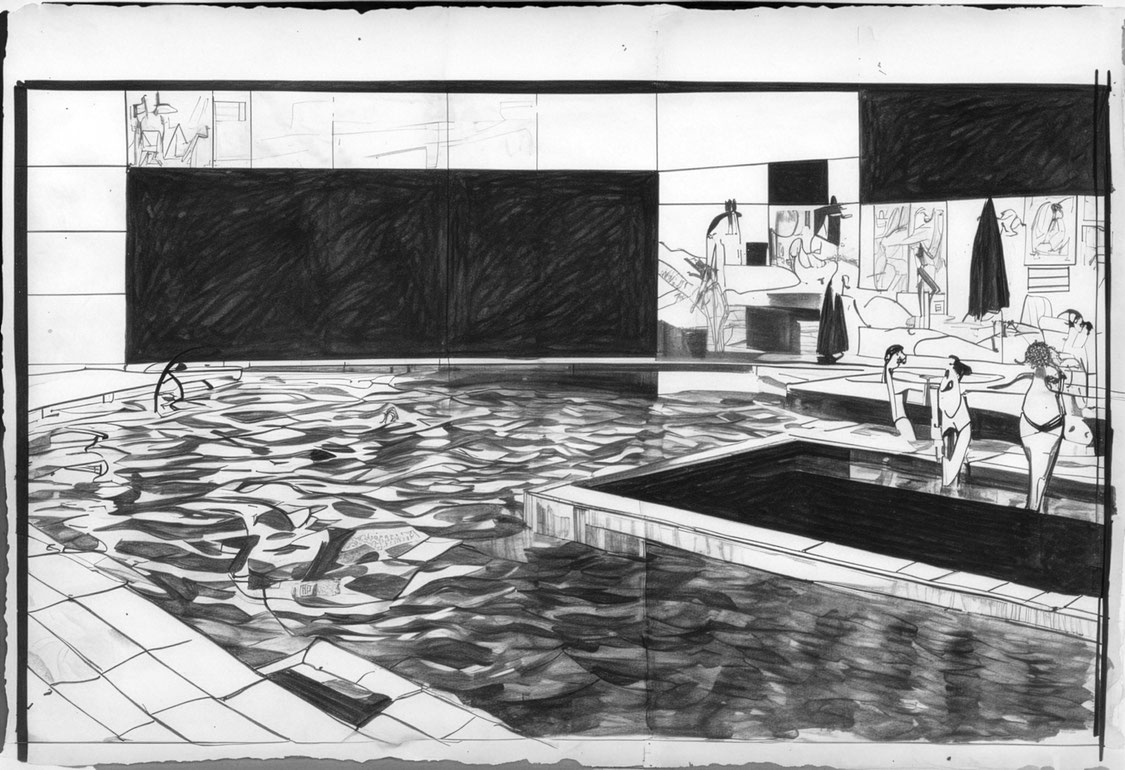
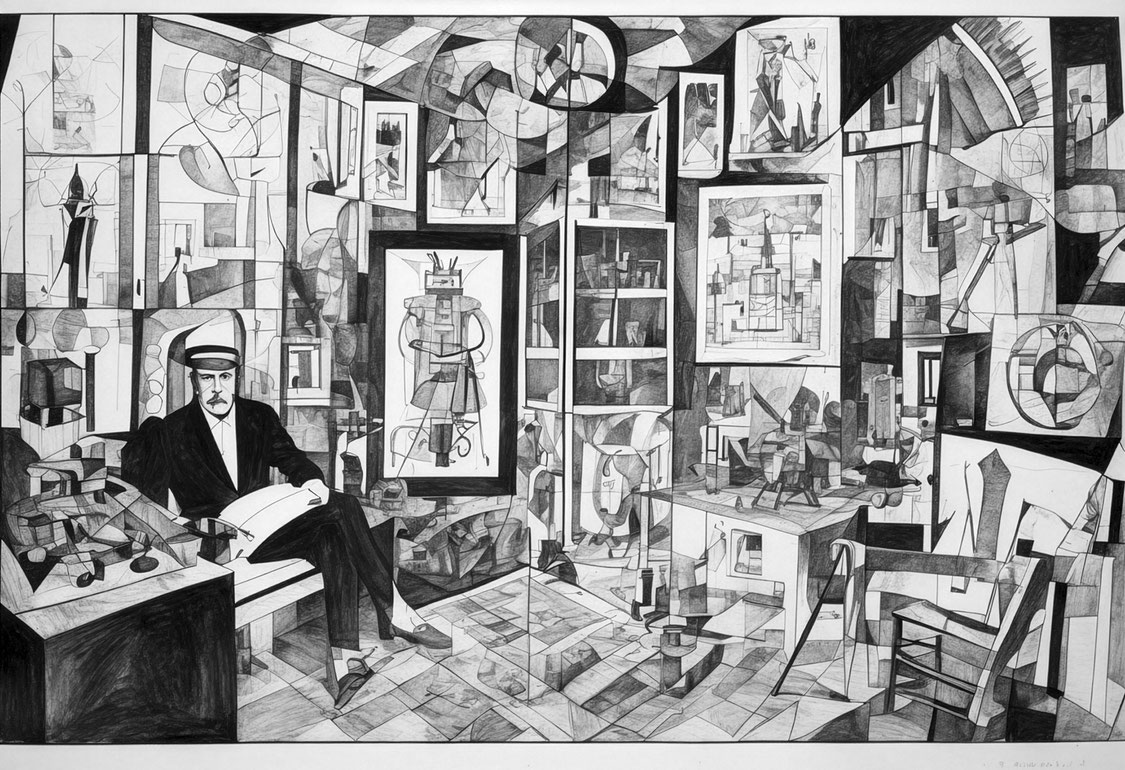
AI tools are commonly accused of merely "parroting" what they have learned during their extensive training. Dominik Hruza’s Das Pool Paradoxon (The Pool Paradox) proves otherwise, as it interweaves the use of such tools in a skillful way. Hruza employs a wide variety of generative tools to give the construct of film a blueprint that is as complex as it is strikingly simple, through cross-media concatenation of signs. First we have an absurd literary text, riddled with all sorts of associative maneuvers and sleights of hand, loosely based on the prose texts (processed by AI!) written by the Dadaist Kurt Schwitters in the first half of the 20th century. It is Schwitters’ voice that narrates this grotesque, endless metamorphosis, made possible by a text-to-speech program. For the visual level, Hruza fed his own drawings to an AI program, resulting in animations which – referencing Schwitters’ collage technique – together form a continually evolving graphic novel. Flowing tableaux made up of intricate graphic elements transition into figurative condensations, during which (remaining) reality increasingly dissolves into a pool of absurdities. People become objects, while objects develop a life of their own, and everything – a factory where sentences are repaired, a library of edible books, a restaurant serving “backwards” cooked food – appears ever more paradoxical. In this way, a multimedia narrative cosmos is realized, without being reducible to any clearly comprehensible level of meaning. The pool from which this kind of generativity draws may be finite. However, the orchestrated chaos that emerges from it shimmers in infinitely many facets. (Christian Höller)
Translation: John Wojtowicz
Das Pool Paradoxon
2026
Austria
11 min