

Hidden Layers
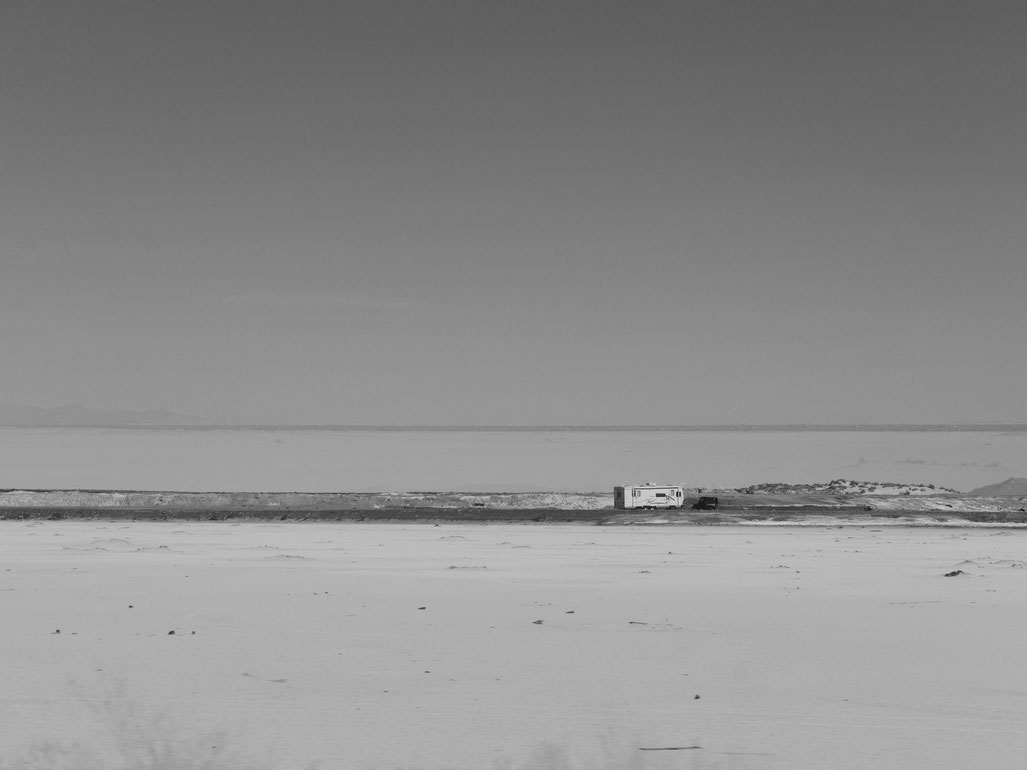
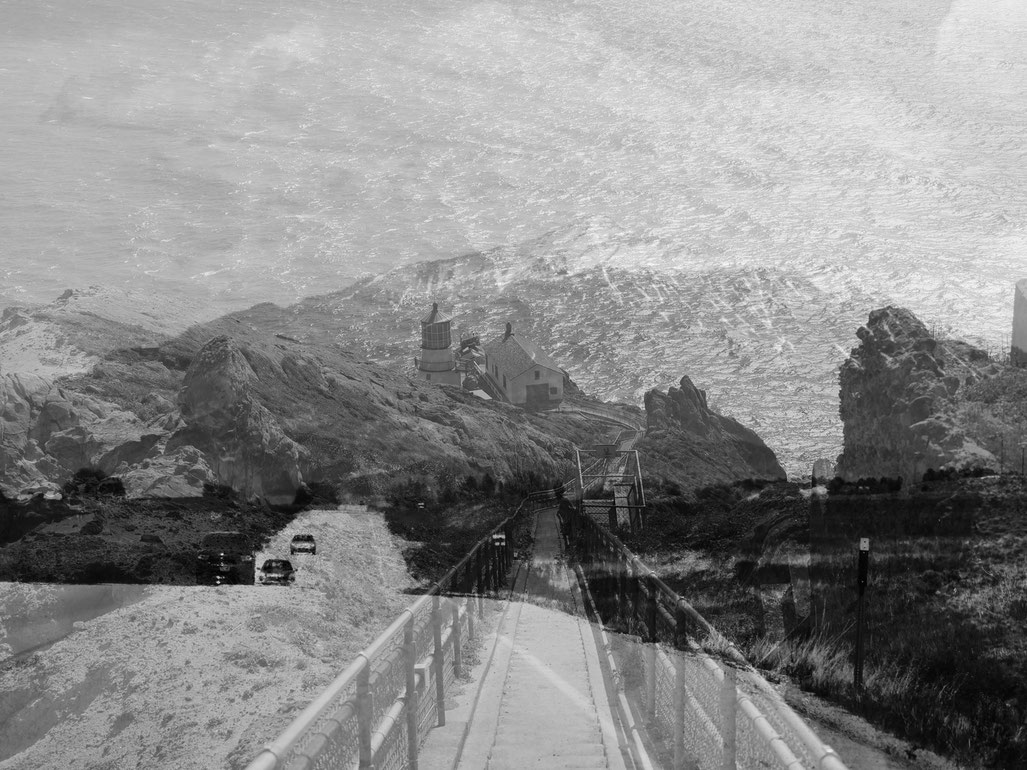
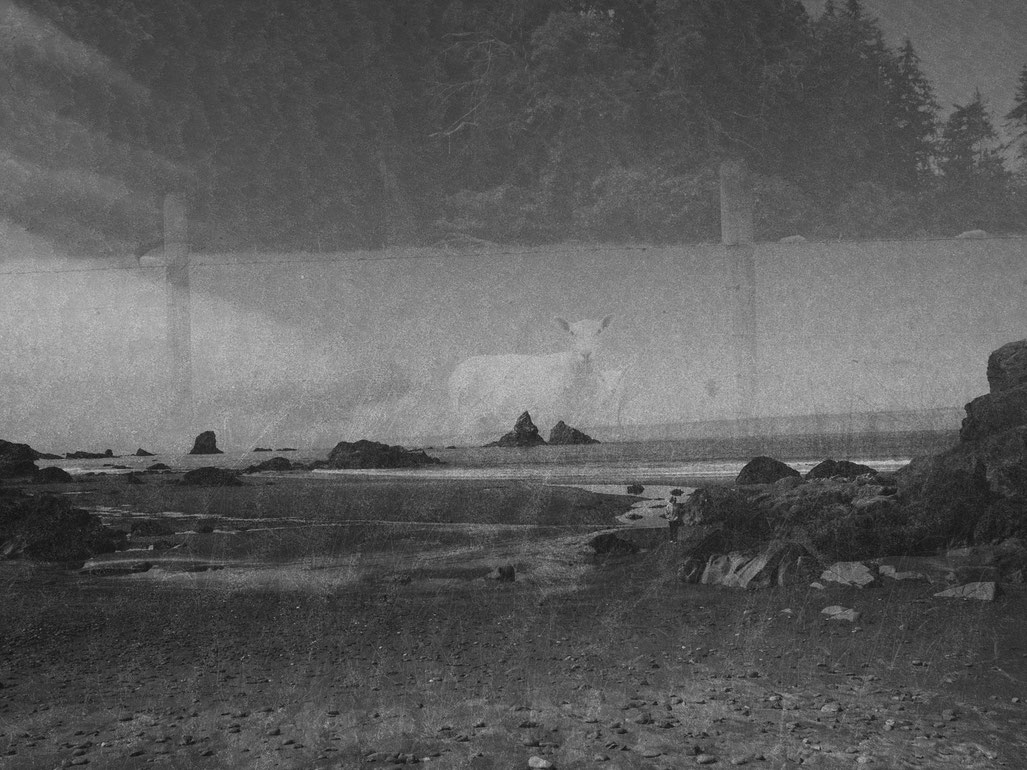
A stone's throw from documentary photography to unchartered digital realms of abstraction harbors risks and side effects: The layering and virtual unmooring of images from reality tap associations that open like portals into secret worlds. Hidden Layers is a photo-film (á la Chris Marker’s epochal dystopian loop La Jetée) taking a two-sided trip along the U.S. West Coast while running a relay race through recent US history.
In 2018 Billy Roisz released a piece of music by the same name. It doesn’t emerge in the film's densely woven soundtrack, composed of field recordings, ambient noise compositions, and sarcastically arranged songs. But true to its title, perhaps it is lurking a few layers deeper, beneath the clouds we gaze upon from a gray airplane window at the start of Hidden Layers. Musician Liz Allbee begins to recite a text written by Dieter Kovačič telling how flourishing “Vinland” country was transformed into a soured “Vinegarland”, where freedom, love, and anti-authoritarianism ended in an inferno of alienation and paranoia. Hidden Layers is a swan song to what once was.
Landscapes and suburban developments, cities, signs, and everyday objects: Black- gray-and-white images blend into one another, stagnating halfway in twilight zones between houses, highways, and seascapes under the Big Sky of the United States. The contours merge into indecipherable symbols, into graphic structures as delicate as graphite drawings, as elemental as cave paintings. Ghostly figures are encountered in this Pynchonesque fable unbound by time, presenting visions of a civilization in decline bearing an oppressive resemblance to our present—one battle after another. In the end, only doubt remains trustworthy. (Stefan Grissemann)
Translation: Eve Heller
Hidden Layers
2027
Austria
26 min