

AS FAR AS WE COULD TELL
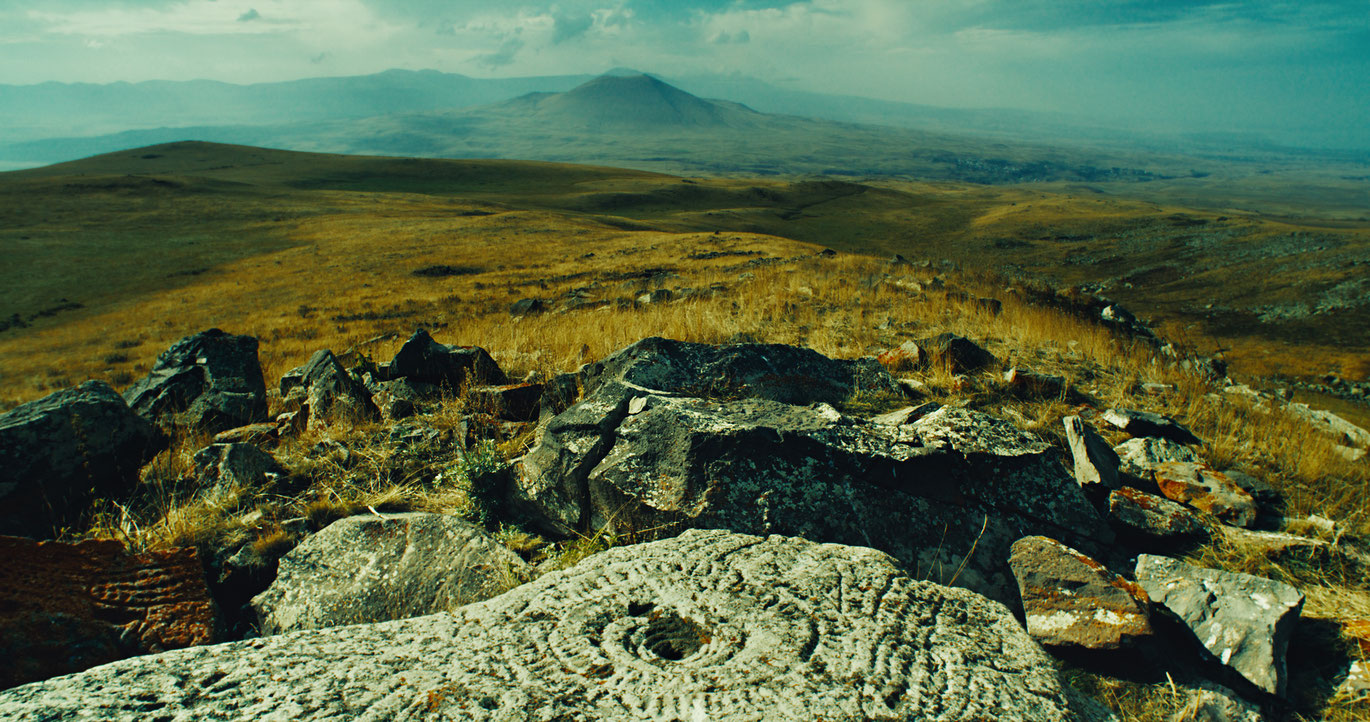
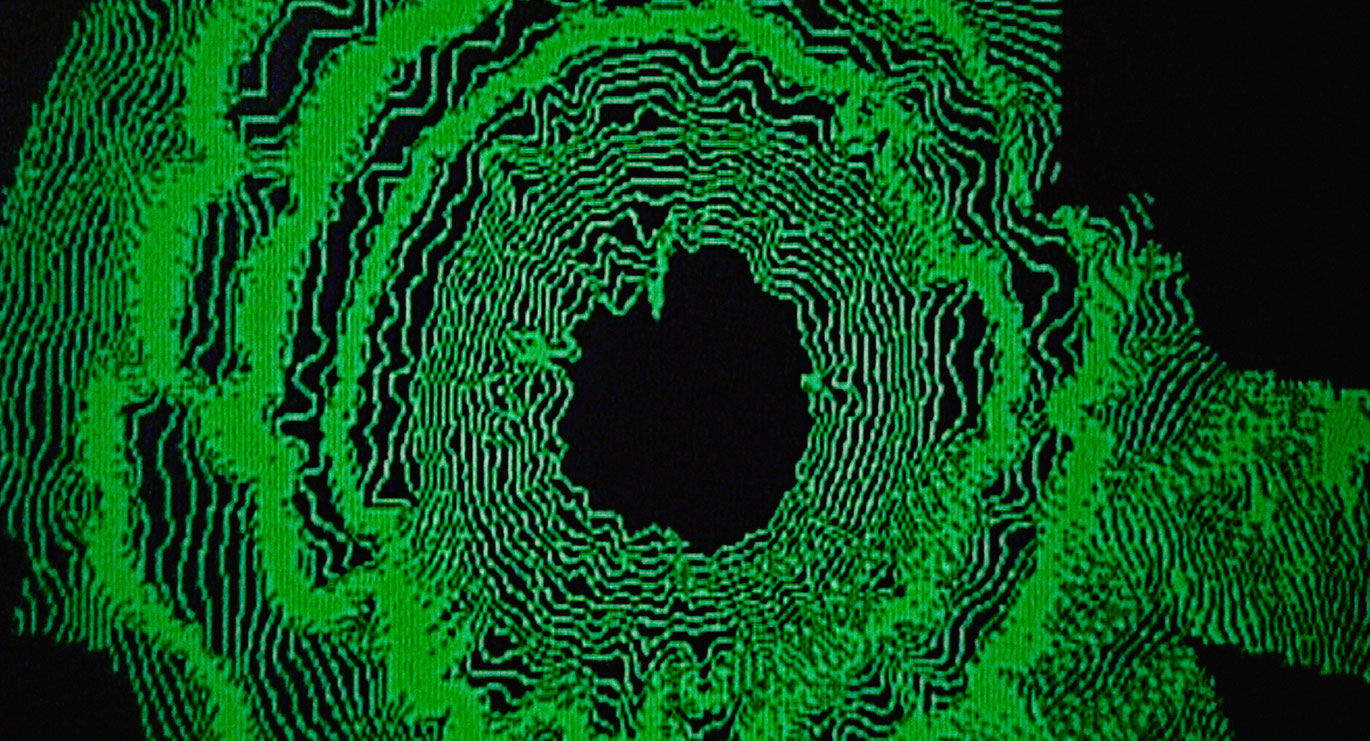
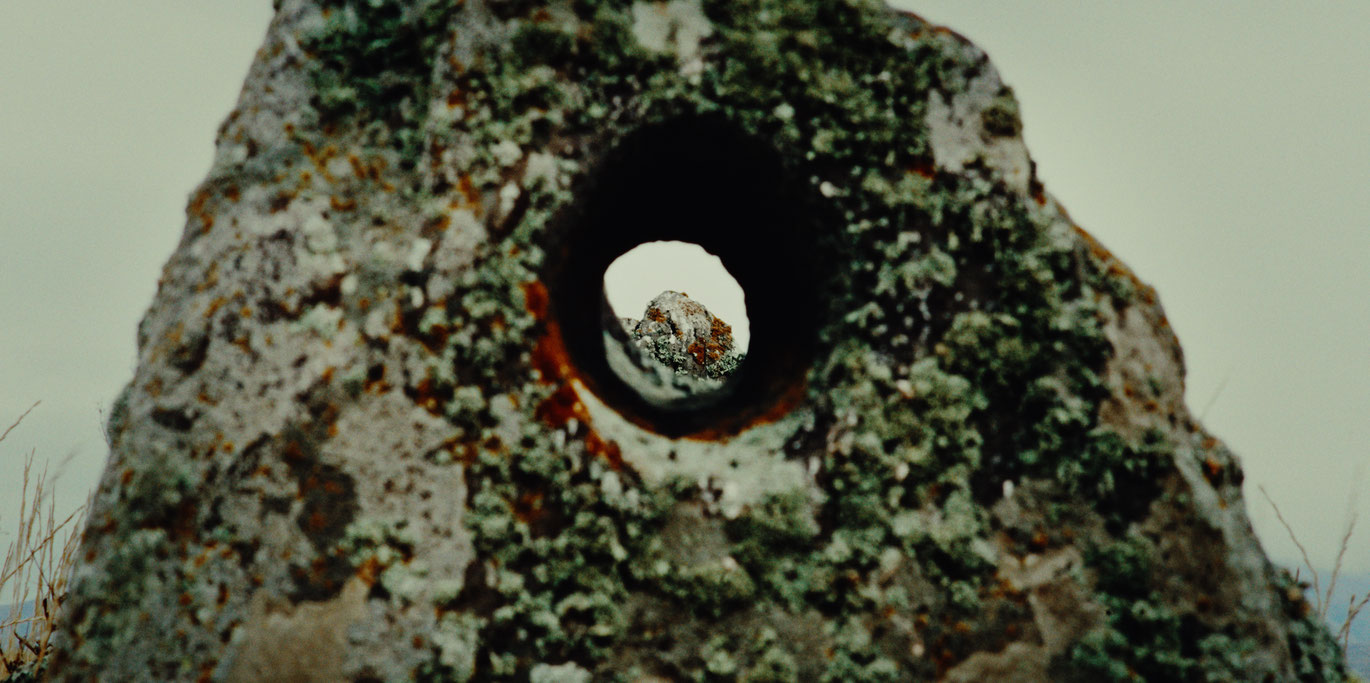
From an archaeological or astronomical perspective, what is a “horizon”? And how far back in time can we see using man-made tools? AS FAR AS WE COULD TELL explores these questions through a unique kind of field survey. The film maps some of the earliest sites of celestial observation in the Armenian Highlands – some which are prehistoric and others technical in nature (dating from the Soviet era). Partly jump-cut and partly still images of Carahunge, supposedly the oldest observatory in the world, are interspersed with close-ups of modern telescope installations, whose metallic quality is accentuated by subtly crafted electronic sound. Along the way, glimpses of horizon lines appear – among them, the artificially constructed stone cumulus of Nemrut Dağı in present-day Turkey. The shimmering, sometimes extreme, wide-angle shots are juxtaposed with close-ups of mysterious indentations and patterns on ancient rock formations. This corresponds to the film’s shifting perspective, alternating between geological depths of time and the vastness of cosmic space. Sublime footage of astronomical observation allows the evocation of the infinitely distant to merge into the synthetic and abstract, while the distant past, however concretely it may appear here, reveals nothing of its undecipherable enigma. At one point, towards the end, we seem to perceives two blurry human silhouettes on a vehicle amidst billowing clouds of smoke. However, they quickly fade away, lost in the horizons that ceaselessly unfold in AS FAR AS WE COULD TELL. Proximity, distance, vastness, depth – the film weaves all these concepts of physical and historical spacetime into a consistently more-than-human tapestry. (Christian Höller)
Translation: John Wojtowicz
AS FAR AS WE COULD TELL
2027
Austria, Germany, Switzerland
26 min