

Made in Hollywood I Bruce & Norman Yonemoto
Courtesy Electronic Arts Intermix (EAI), New York
Courtesy Electronic Arts Intermix (EAI), New York
Courtesy Electronic Arts Intermix (EAI), New York
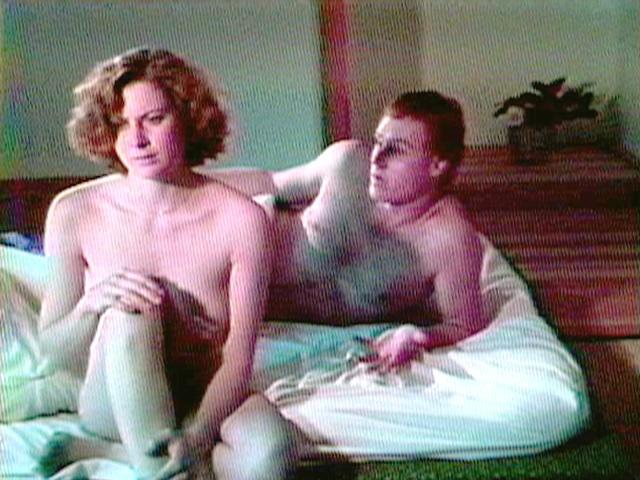
Courtesy Electronic Arts Intermix (EAI), New York
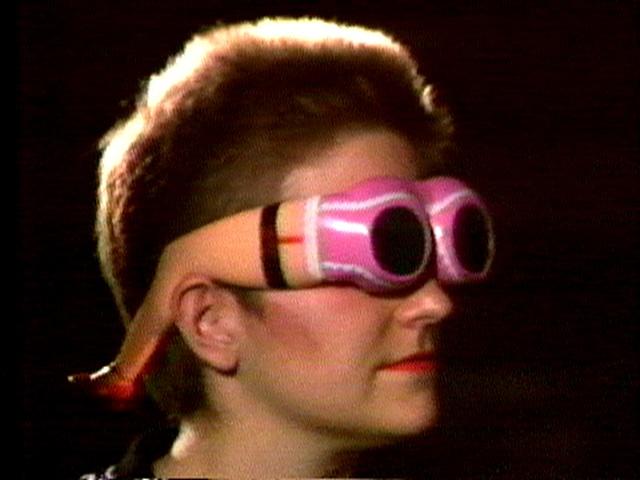
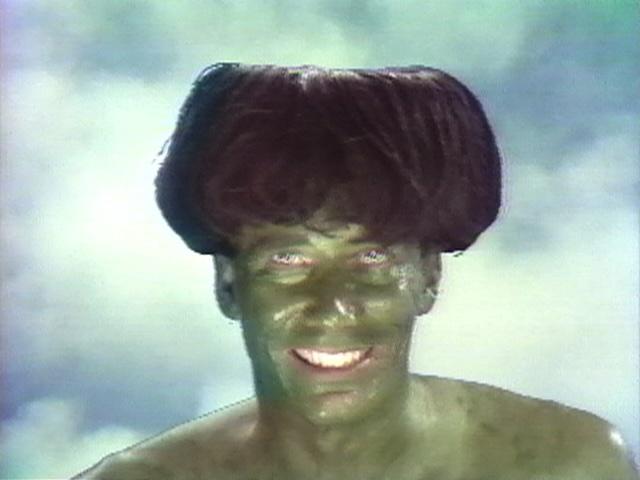
Bruce (b. 1949) and Norman Yonemoto (1946–2014) were frequent collaborators from 1976 until Norman's death, working at the intersection of experimental cinema, media, and fine arts. A frequent setting for their films is the art world, which is also exemplified in their collaborations with artists such as Mike Kelly, Tony Oursler, and Mary Woronov. It is the production of images by the film industry, however, that forms their thematic frame of reference. This first survey of their work in Austria presents in the cinema a selection of intersectionality-informed work that oscillates between these spaces and disciplines.
The city of Los Angeles and the myth of Hollywood embedded within it run like a leitmotiv throughout the brothers' entire body of work, having been raised in California as the children of Japanese-American parents and strongly informed by a West Coast mentality.
Their main fields of investigation include desire and the idea of romantic love, especially as it is staged in melodramas, soap operas, and the advertising industry, and how these media images inform – and not infrequently contaminate – our perceptions, affects, and behavioral patterns. Sex, politics, and ethnic identity – above all from the perspective of outsiders and under the influence of the history of Japanese-American culture – combine to form a conglomerate of what tend to be excessive linguistic and visual forms of expression never lacking in humor.
All four programs will open with a vocal performance (karaoke-style) from the multi-channel installation ENKA!
(Jonida Laçi, Dietmar Schwärzler / Translation: Ted Fendt)
Wednesday, June 3, 2026
PROGRAM 1, 6pm
Bruce Yonemoto: ENKA! I, C: Betty Apple, 2015, digital, 3 min
Bruce & Norman Yonemoto: Garage Sale, 1976, digital, 85 min
Q&A with Bruce Yonemoto
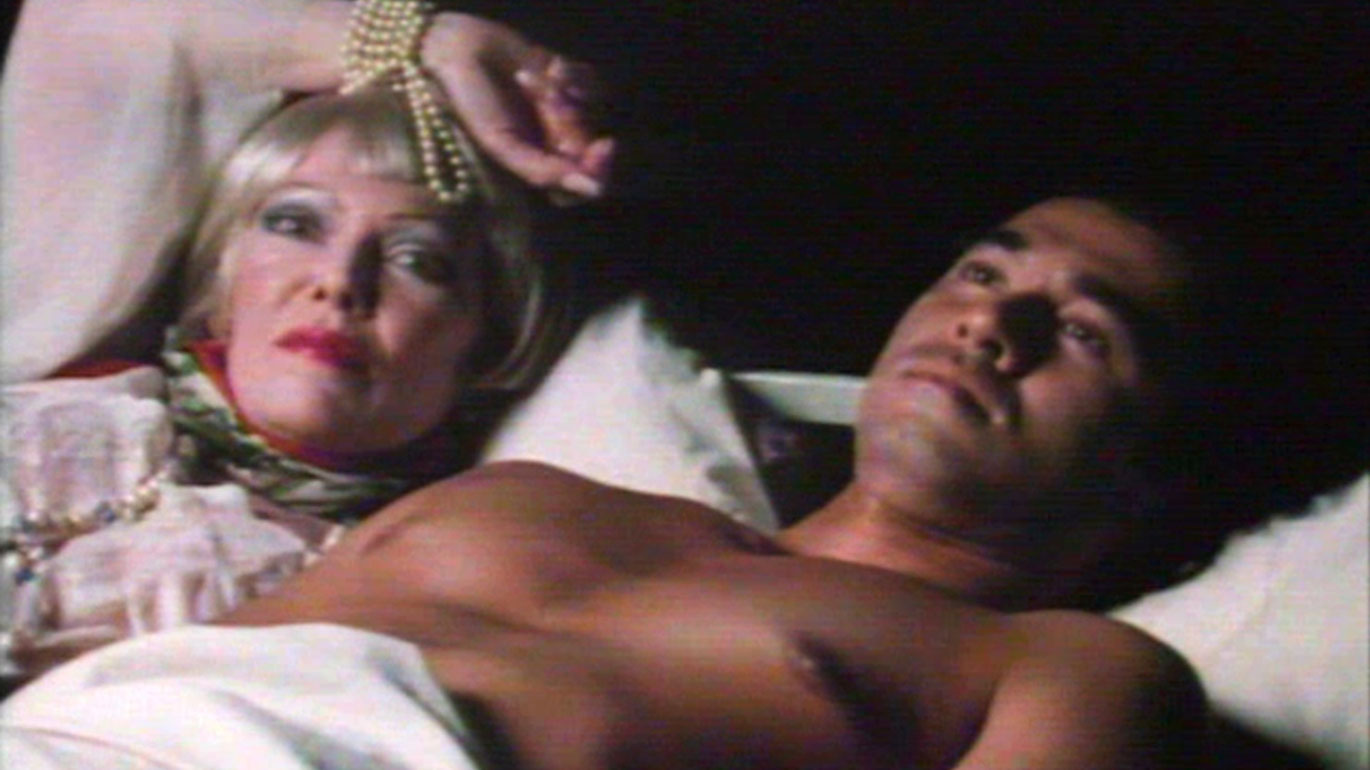
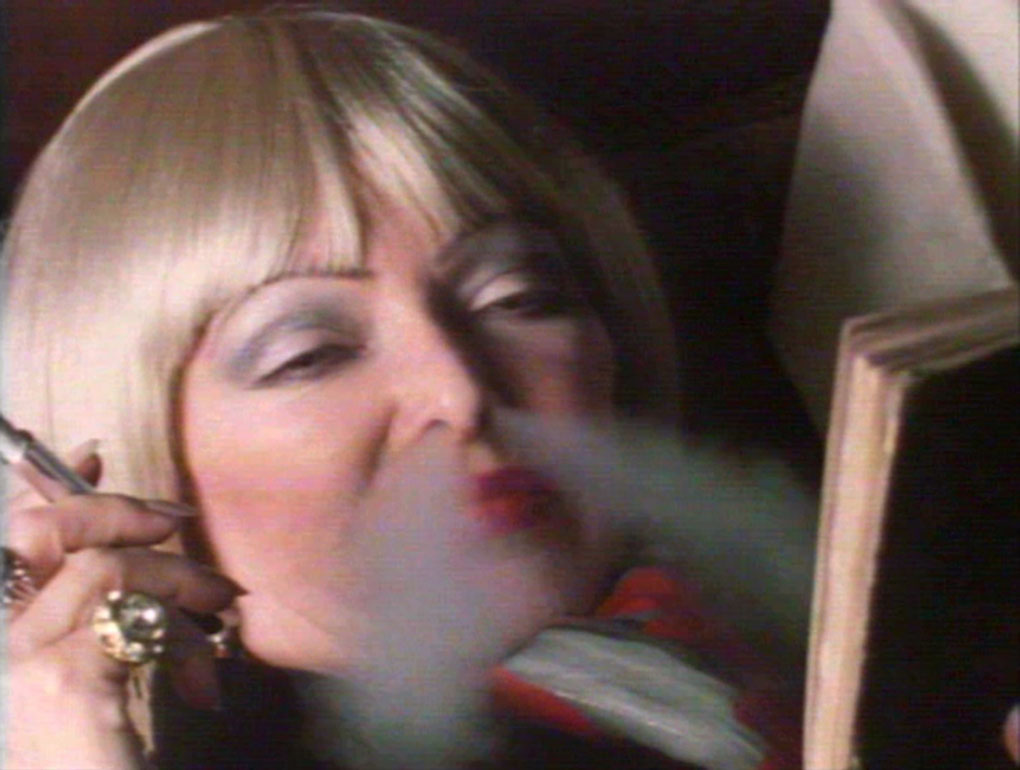
Genderqueer—a term that has only existed since the 1990s—would be today’s classification for *Garage Sale* (1976), a progressive and breathtakingly inventive film about love that celebrates all the hallmarks of camp: exaggeration, artificiality, style, and irony as central parameters.
At the center of the story are the drag queen Goldie Glitters, once a member of the legendary San Francisco theater group The Cockettes, and her husband Hero, who is trying to save their marriage. In his search for ways to cope with the crisis, a wide range of thematic and performative fields are interwoven, always marked by sharp linguistic and dialogic wit: bondage tutorials, handmade ceramics production, and tap dance and singing numbers come into play, alongside TV coaching, The Addams Family, feminist group discussions, pornography, and media and performance art. Hilarious!! (ds)
PROGRAM 2, 8.30pm
Bruce Yonemoto: ENKA! II, C: Yu Cheng-Ta, 2015, digital, 5 min
Bruce & Norman Yonemoto: Based on Romance, 1979, 24 min
Bruce & Norman Yonemoto: The Impotent Metaphor, 1979, 43 min
Q&A with Bruce Yonemoto
An endless kissing scene—how better could a Soap Opera Series begin? In the first part of the trilogy Based on Romance, this scene is followed by mash-ups of statements about unsuccessful artistic lives, abortion, basic fag art, and male virgins. In between, the protagonist’s body is examined by a doctor while her boyfriend buries everyday objects—he is rehearsing for a performance, while she faces the prospect of a hysterectomy. Loss always means something different.
For the protagonist in the second part of the series, The Impotent Metaphor, it is the loss of his sexual potency. Norman Yonemoto himself plays the intellectually inclined artist, tormented by his longing for a bygone media age, who tries—at parties, in the car, on the beach, and at the typewriter—to determine whether his values have already become mere echoes of contemporary slogans. (jl)
Thursday, June 4, 2026
PROGRAM 3, 6pm
Bruce Yonemoto: ENKA! III, C: Ray Hsu, 2015, digital, 4 min
Bruce & Norman Yonemoto: Garage Sale II, 1980, 31 min
Bruce & Norman Yonemoto in collaboration with Mike Kelley: Kappa, 1986, 29 min
Bruce & Norman Yonemoto: Japan in Paris in L.A., 1997, 30 min
Q&A with Bruce Yonemoto
The cast of Garage Sale II alone offers insight into the subcultural and art scene of Los Angeles in the early 1980s: Fred Halsted, Branda Miller, Jerry Dreva, Mike Kelly, Tony Oursler, Joe Potts, and Camille O’Grady. The short film—both garish and explicit—explores a range of sexual fetishes and practices, from masturbation to fisting and S&M.
With Kappa, the Yonemoto brothers continue their collaboration with Mike Kelly, who plays the eponymous creature from Japanese folklore—a water spirit. Opposite him is Mary Woronov, of the Warhol and Roger Corman circle, portraying Jocasta, the mother and wife of Oedipus.
Japan in Paris in L.A. tells the story of the Japanese artist Saeki Yūzō, who seeks his fortune in Paris but finds himself confronted with ethnic and cultural differences. (ds)
PROGRAM 4, 8.30pm
Bruce Yonemoto: ENKA! IV, C: Huang Da-Wang, 2015, digital, 5 min
Bruce & Norman Yonemoto: Green Card: An American Romance, 1982, 89 min
Q&A with Bruce Yonemoto
Green Card: An American Romance is the final part of the Soap Opera Series, unfolding in late-1970s and early-1980s Los Angeles, where the promises of television, advertising, and Hollywood have long since permeated the image-households. The artist Sumie Nobuhara leaves her terminally ill admirer—who returns to Japan after completing his studies—and marries a surfer aka filmmaker to secure her future, that is, her career, in the United States.
Yet this strategic arrangement soon entangles her in the very narrative she sought to instrumentalize: the fiction of romantic love. Between individual projections, national ideals à la American Dream, and social scripts, the question arises as to which of these realities is, in fact, the more real.(jl)
in cooperation with the Austrian Filmmuseum
Österreichisches Filmmuseum
Augustinerstraße 1
1010 Wien